Canada Study Visa 2026 Survival Guide: 10 Harsh Truths Indian Students Must Know | Global Visa Internationals
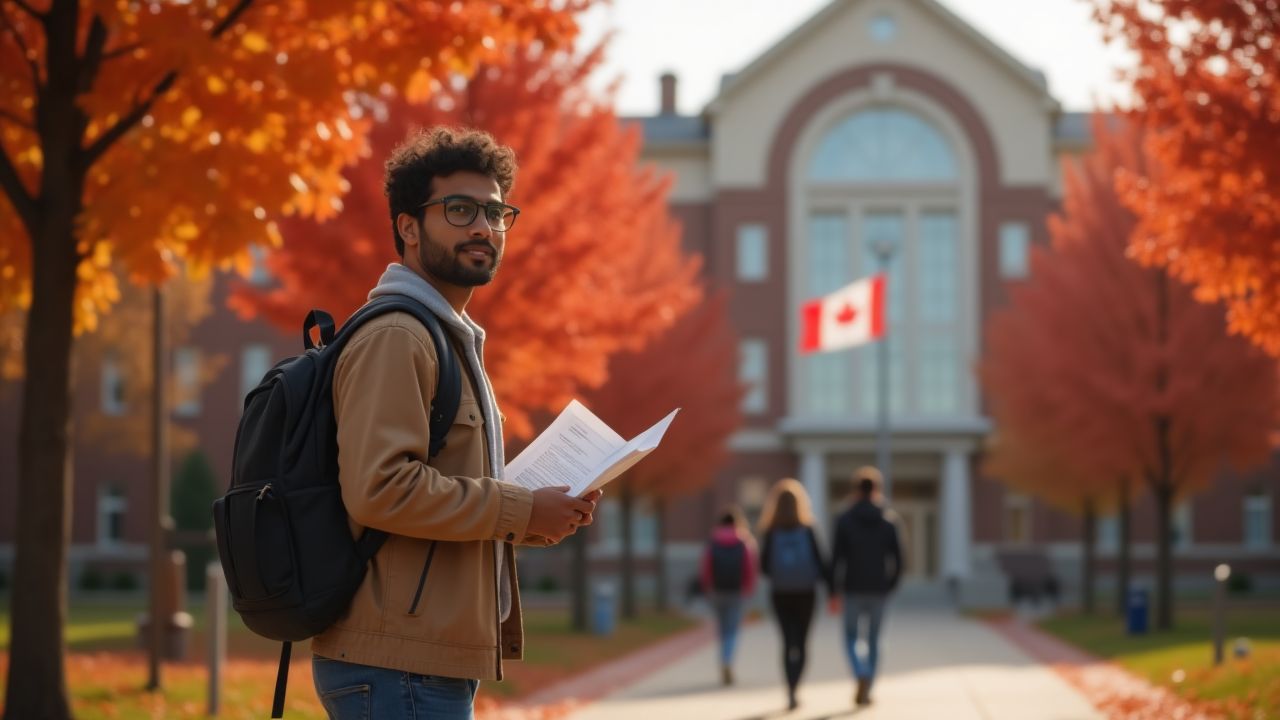
In 2025, Canada rejected close to 60% to 70% of Indian study permit applications. With the new 2025-26 Intake Cap, Provincial Attestation Letters (PALs), and PGWP shutdowns, refusal rates in 2026 are expected to rise even further. If you are planning to apply for a Canada Student Visa, this guide is mandatory reading.
If your parents are planning to liquidate savings, mortgage property, or take education loans based on the “old Canada” dream, stop.
Canada has changed. Brutally. Quietly. Permanently.
This is your 2026 Reality Check — before your family’s life savings become another refusal file.
The 10 Warnings That Decide Approval vs Refusal in 2026
- The Intake Cap & PAL bottleneck
- Public vs Private College PGWP landmines
- The ₹15-20 lakh GIC shock
- Spousal Open Work Permit shutdown
- Course relevancy = instant rejection
- Housing crisis impacting visa credibility
- Part-time work myths (20 vs 24 hours)
- Master’s vs Diploma approval gap
- AI-driven SOP screening
- Misrepresentation leading to 5-year bans
Ignore even one, and IRCC can legally refuse your application.
1. The ‘Hard Cap’ Is Here: What Is the Provincial Attestation Letter (PAL) and Why Do You Need It?
An offer letter is no longer enough.
From 2025 onward, most international students must submit a Provincial Attestation Letter (PAL) issued by the province (Ontario, British Columbia, Alberta, etc.).
- PAL quotas are limited by province
- Diploma and undergraduate seats are rationed
- Master’s and PhD programs are prioritized
- If your college cannot secure a PAL, your file may be returned without review
No PAL = automatic death of your application.
2. Public vs Private Colleges: Are You Walking Into a PGWP Trap?
This is the most dangerous mistake of 2026.
Starting 2025-26, many Public-Private Partnership (PPP) colleges are no longer eligible for a Post-Graduation Work Permit (PGWP). This has become one of the biggest risks when applying for a Canada Study Permit.
- Private colleges with public branding are being black-flagged
- IRCC does not warn you before approving the visa
- Students discover the truth only after graduation
No PGWP = No Canadian work experience
No work experience = No PR
No PR = Forced exit or deportation risk
Stop Here — Do Not Proceed Blindly
Canada is no longer a gamble you can afford to lose.
Let Global Visa Internationals perform a 2026 Risk Audit on your profile.
- Verify your college’s PGWP eligibility
- Check Provincial Attestation Letter availability
- Identify hidden refusal risks before you apply
Your future is too expensive to risk.
3. The GIC Shock: Can You Afford the New Financial Reality?
The era of showing ₹6-7 lakh is over.
- Expected GIC for 2026: CAD $20,000+
- That equals ₹13-15 lakhs in liquid funds
- Tuition, housing buffer, forex & living costs are extra
IRCC is aggressively flagging:
- Fake education loans
- Temporary fund parking
- Circular bank transfers
Misrepresentation can lead to a 5-year ban — no appeal, no forgiveness.
4. Spousal Open Work Permits: Is Your Partner Still Welcome?
This rule change has shattered thousands of family plans.
- Spouses of diploma and undergraduate students are mostly ineligible
- Open Work Permits are now primarily for Master’s and PhD students
If your financial plan depends on your spouse working in Canada, your plan is already broken.
5. The ‘Course Relevancy’ Rejection: Why SOPs Fail in 2026
Visa officers are no longer just reading SOPs — they are screening them using logic and AI tools. This is why professional guidance is critical before submitting a Canada Student Visa application.
- Mechanical Engineer → Generic Project Management diploma
- B.Com → Random Supply Chain course
- 8+ years experience → Entry-level diploma
IRCC conclusion:
“Non-genuine student. Economic migrant in disguise.”
Refusal code A11(1) stays on your record permanently.
6. Housing Crisis Now Impacts Visa Credibility
Canada is facing an unprecedented student housing shortage.
Visa officers are now considering accommodation proof more critically:
- Students applying without confirmed housing may face delays or refusal.
- Overcrowded or temporary addresses raise red flags for “genuine student” assessment.
- Provinces like Ontario and BC prioritize applicants with proper housing.
Tip: Ensure you have verified lease agreements or student residence confirmations before filing. Missing this can make IRCC question your preparedness and intention to study.
7. Part-Time Work Myths (20 vs 24 Hours)
Many students still believe they can freely work 20-24 hours/week off-campus. Reality:
- IRCC strictly monitors part-time work eligibility.
- Working beyond permitted hours is now a common reason for compliance warnings or visa refusal.
- Some diploma programs may not allow off-campus work at all, despite past exceptions.
Rule of thumb: Don’t assume old policies apply. Always verify work limits with IRCC and your college before committing to financial plans.
8. Masters vs Diploma Approval Gap
Visa approvals now strongly favor higher-level programs:
- Master’s and PhD applicants are prioritized for both visas and PGWP eligibility.
- Diploma applicants face higher scrutiny for course relevancy and future plans.
- Choosing a diploma over a Master’s can reduce approval chances, especially in high-demand provinces.
Insight: Your program level directly impacts both visa success and future PR pathways.
9. AI-Driven SOP Screening
Your Statement of Purpose is no longer just a formal letter—it’s evaluated by AI and logic checks:
- Generic SOPs are flagged automatically.
- Non-linear career paths or irrelevant course choices can trigger refusal.
- AI checks include cross-verifying previous education, work experience, and proposed course relevance.
Warning: Recycled or copied SOPs are now one of the top causes of permanent refusal codes (A11(1)).
10. Misrepresentation = 5-Year Ban
IRCC is cracking down on misrepresentation like never before:
- Any false document, fake fund proof, or exaggerated claim can lead to a 5-year ban.
- Circular fund transfers or “temporary” loans are considered misrepresentation.
- Appeal options are extremely limited—this is permanent in most cases.
Rule: Transparency and accuracy are non-negotiable. One misstep can cost your Canadian dream for years.
Your Safety Net: The 2026 Risk Audit
One mistake — wrong college, missing PAL, or weak SOP — can trigger refusal, financial loss, or a 5-year ban.
Stop guessing. Let Global Visa Internationals perform a 2026 Risk Audit on your profile.
Your future is too expensive to risk. Book your stress-free consultation here.